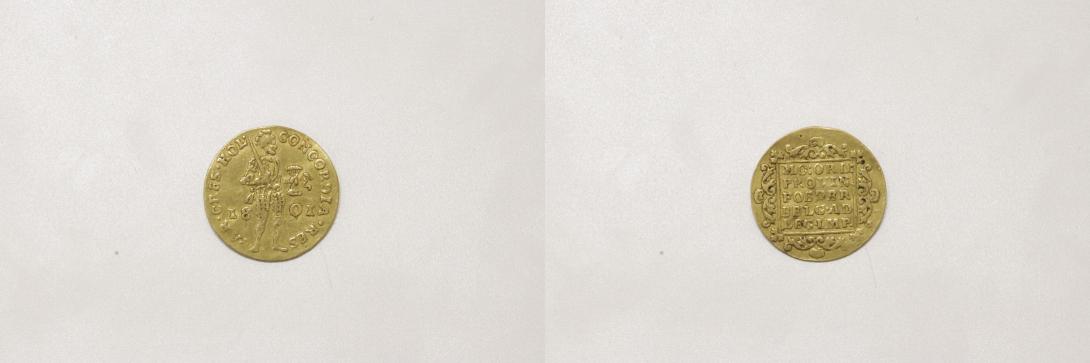

The Numismatic Collection of the Jász Museum
The numismatic collection of the Jász Museum is one of the most important material sources for understanding the history of the Jászság, its economic networks, and the results of archaeological research. Part of its foundation comes from school collections created for educational purposes. Key components include the numismatic holdings of the Lehel Grammar School in Jászberény and the grammar school in Jászapáti, assembled from the turn of the 19th–20th centuries primarily for teaching and demonstration.
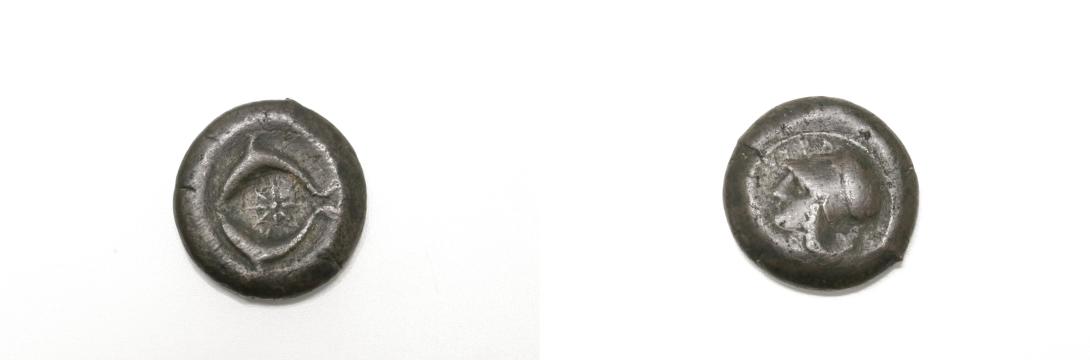
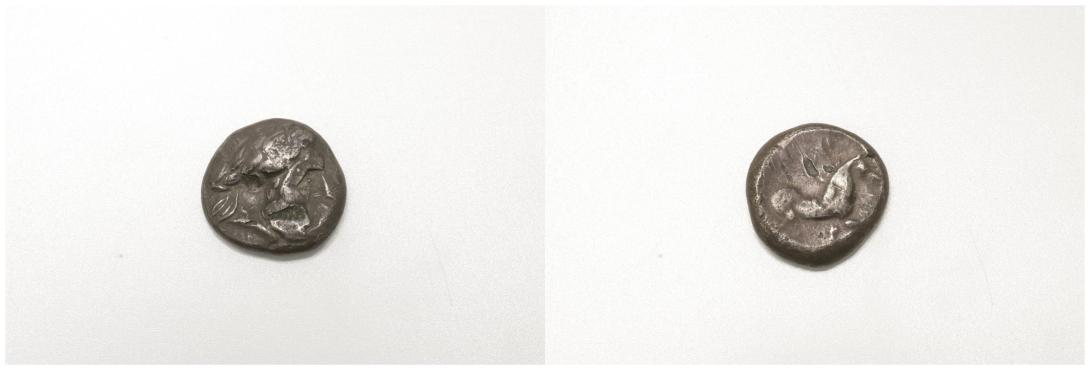
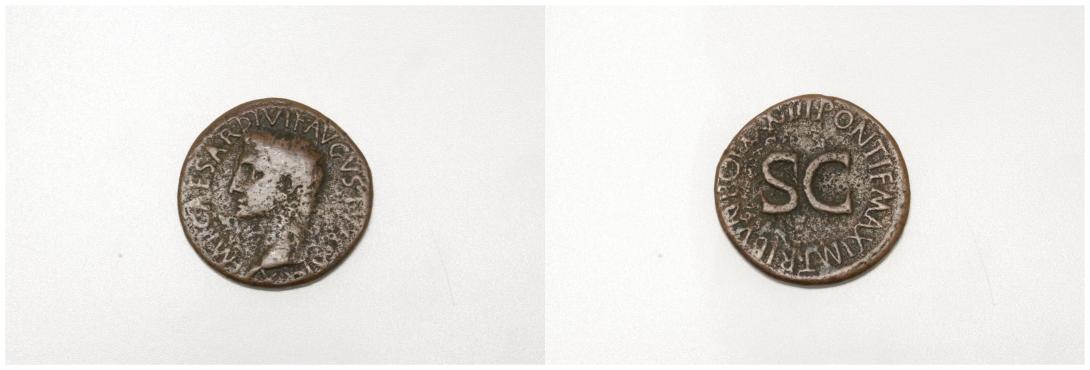
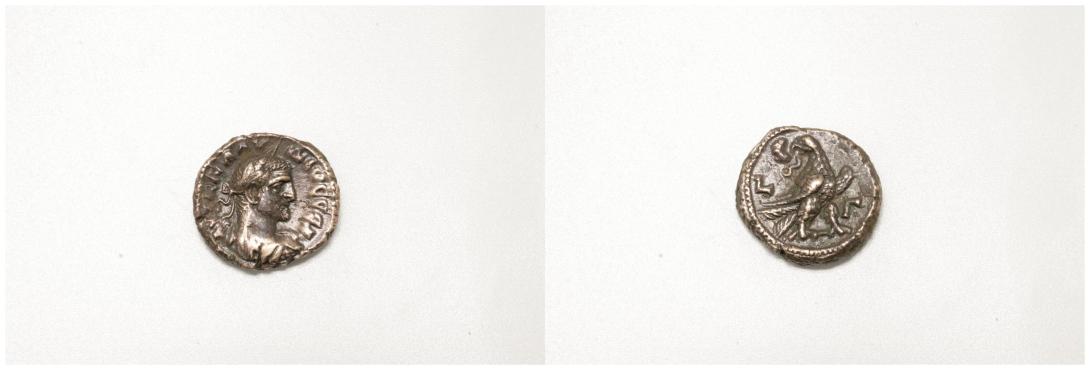
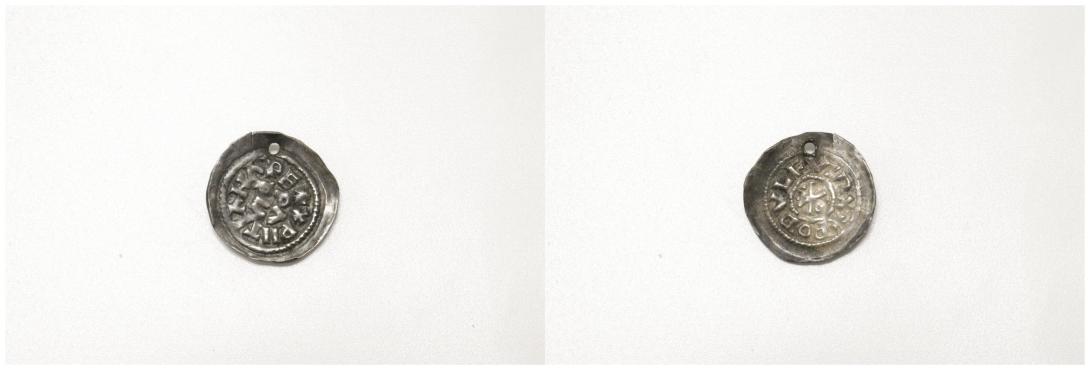
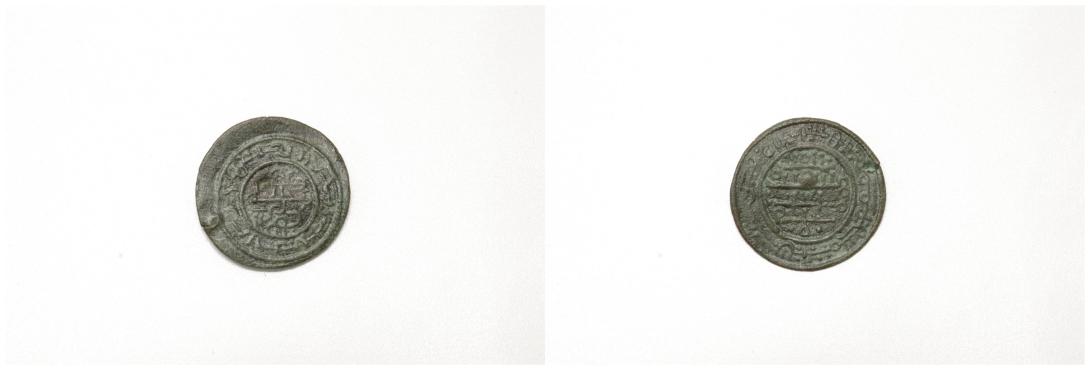
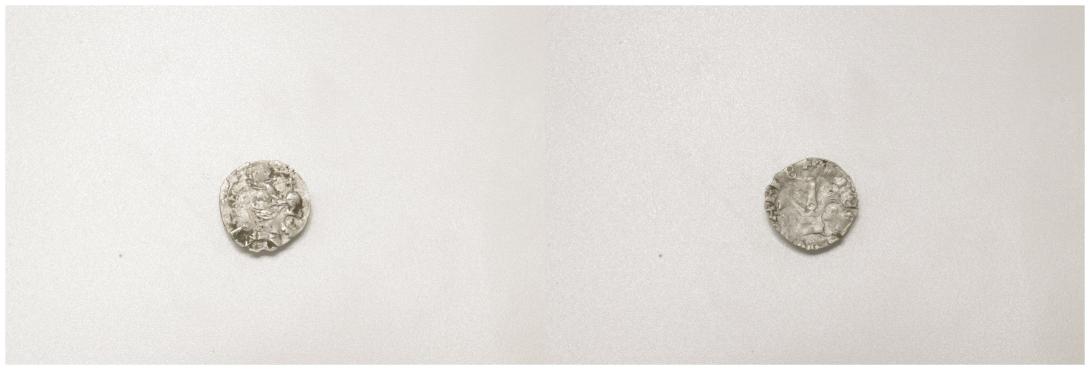
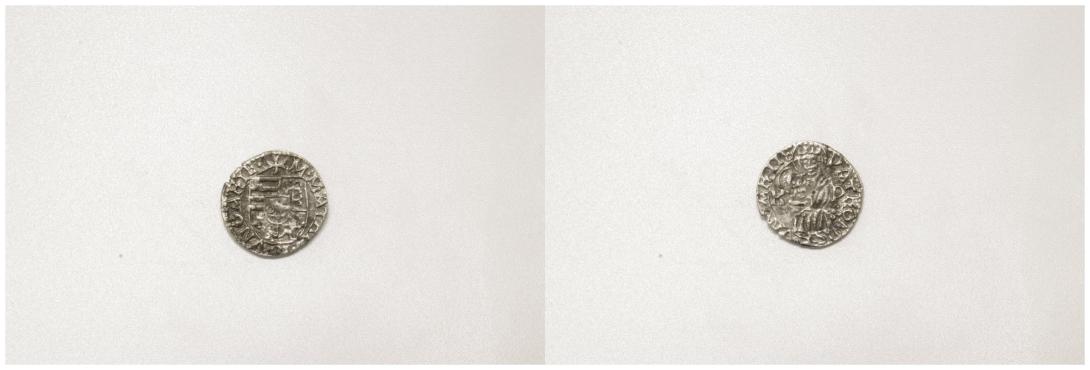
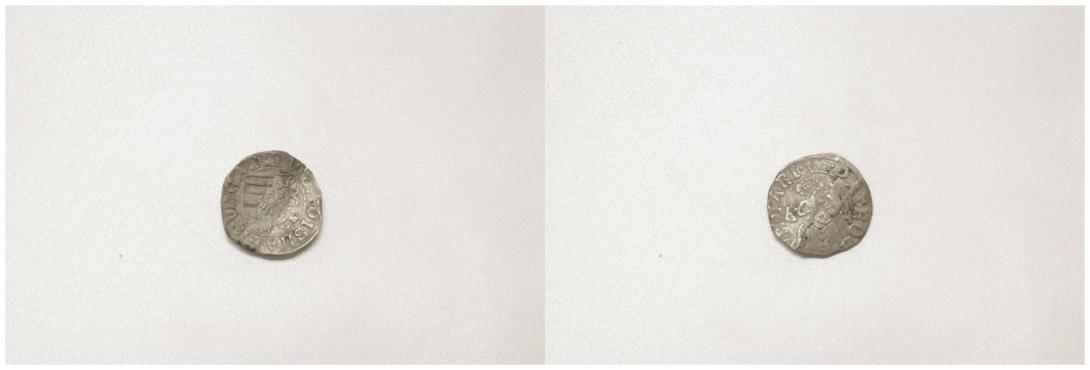
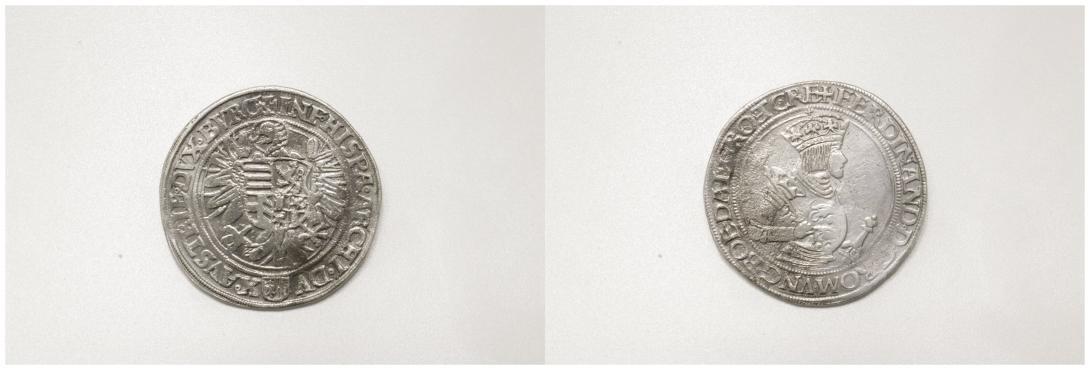
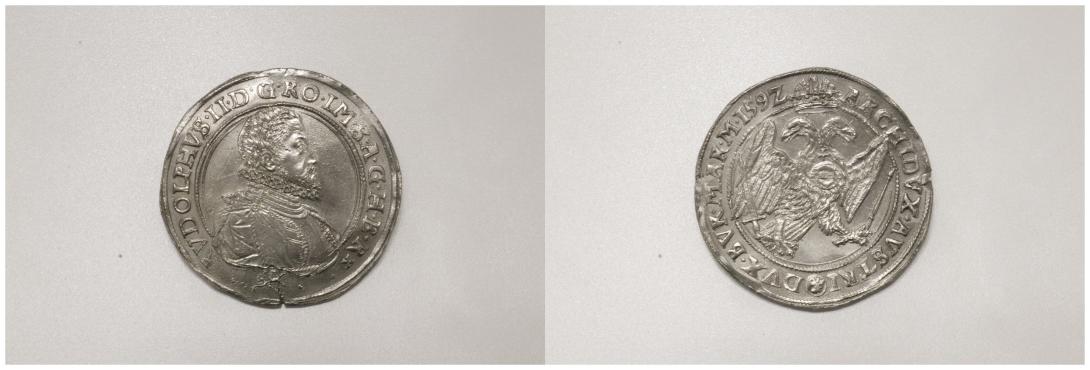
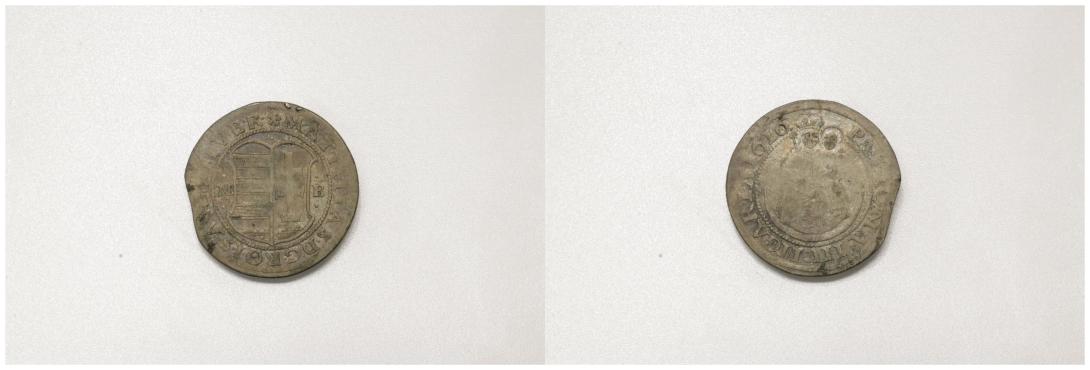
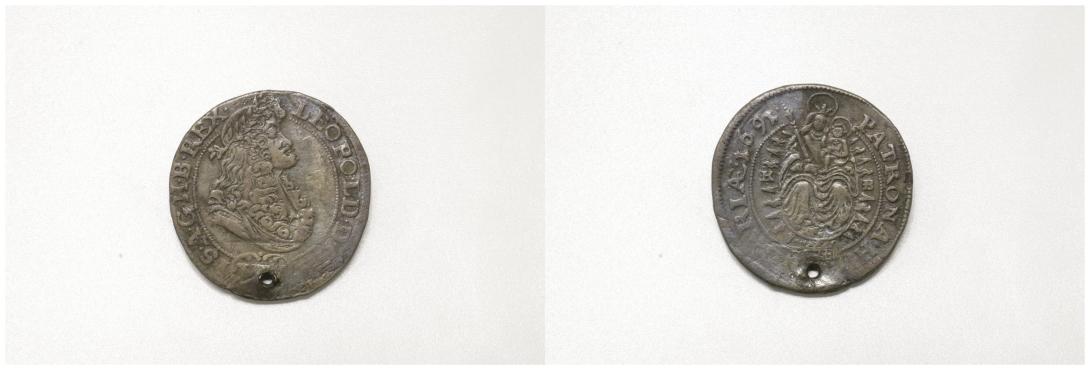
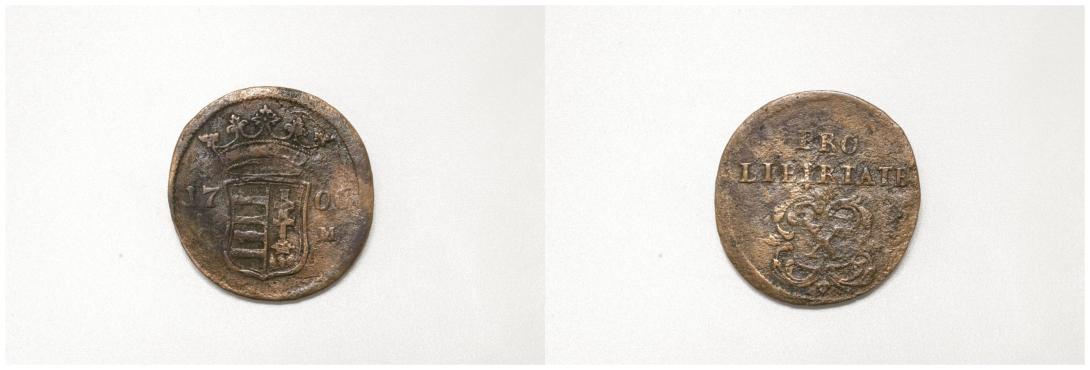
The largest share of the collection, however, consists of several thousand coins recovered through archaeological work and controlled metal-detecting surveys carried out in the Jászság. These finds date mainly to the Roman period and the Middle Ages. They are especially valuable for studying settlement history, monetary circulation, and wider connections in the region, since a significant portion was recovered in archaeological context or during monitored research. This large body of material makes it possible to analyze long-term processes, not only to present individual outstanding pieces.
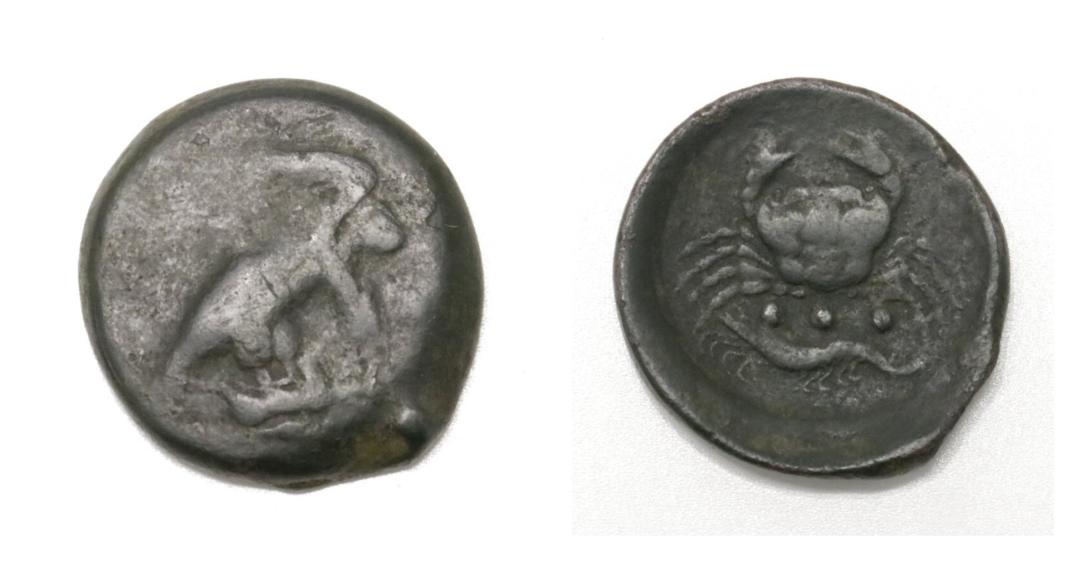
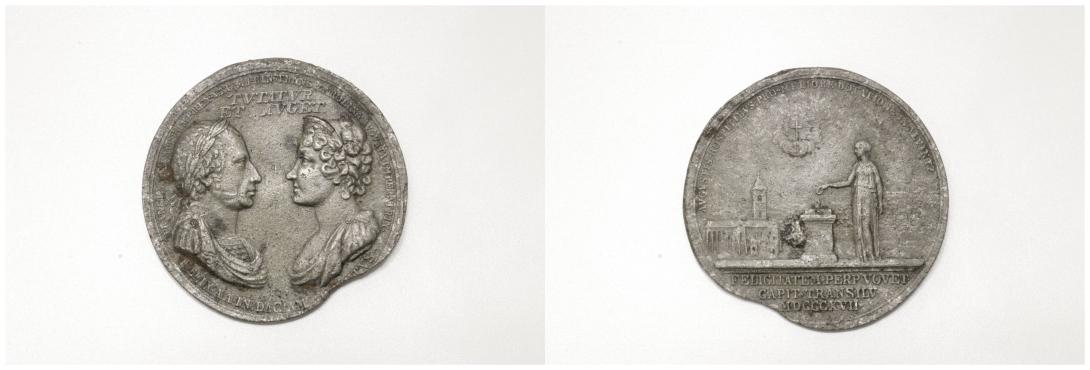
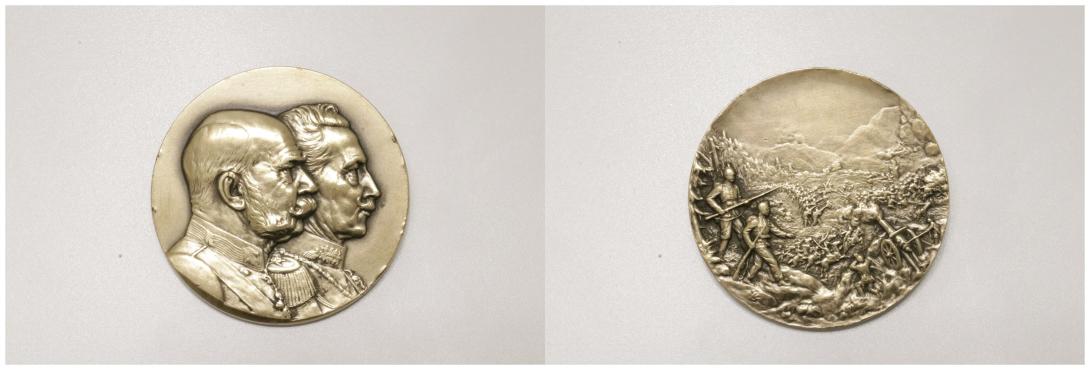
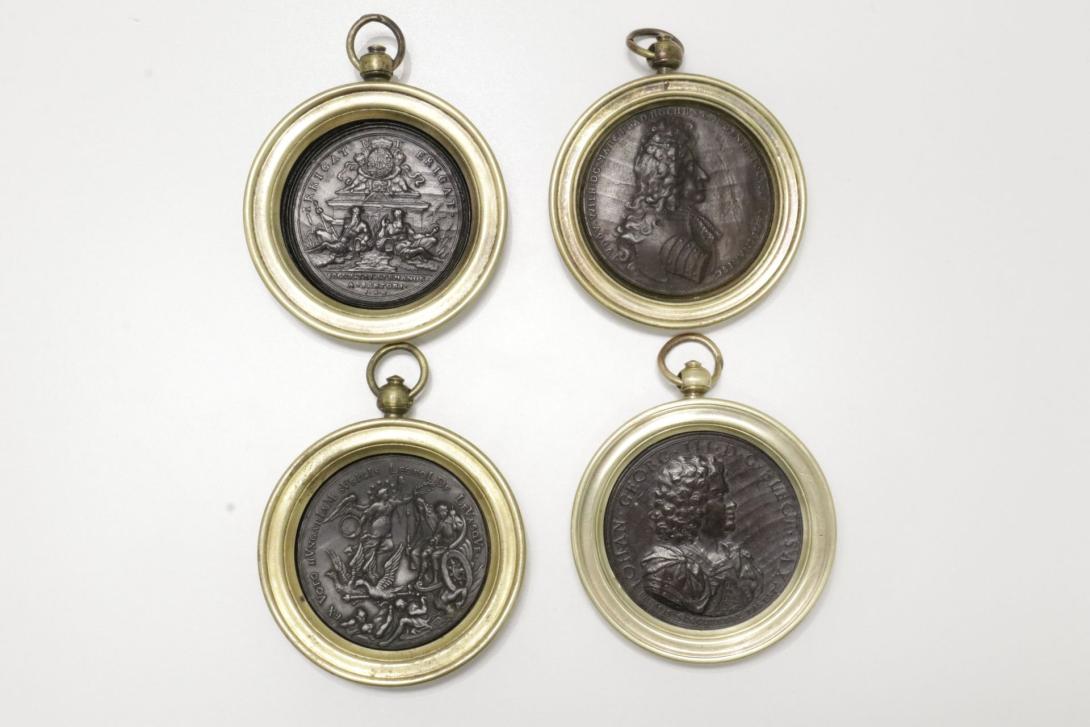
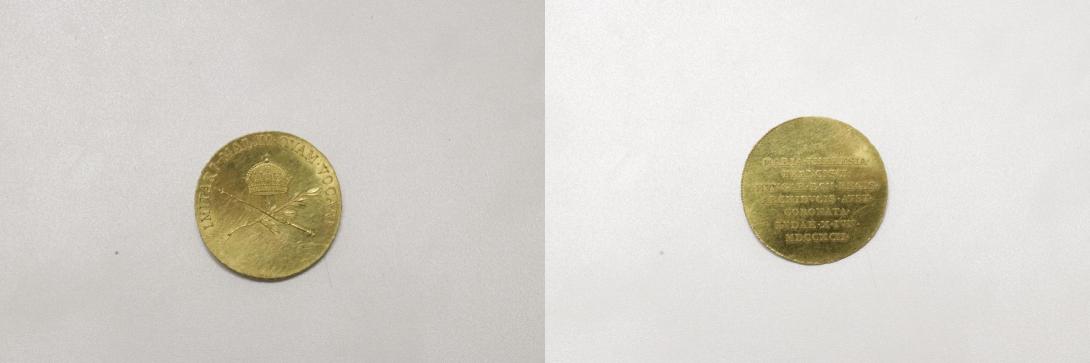
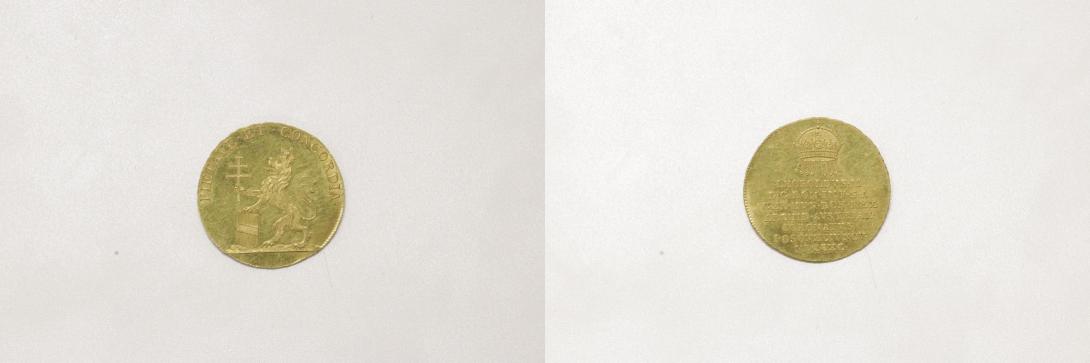
The collection also preserves a number of rare and remarkable objects: a silver dirham struck in 852 CE during the reign of the Abbasid caliph al-Mutawakkil; a 5th-century BCE bronze coin from Sicily; and a distinctive group of 17th-century fapionok—wooden commemorative tokens. These were not circulating currency but representative, occasional objects, documenting early modern attitudes to money, memory, and display. The processing and presentation of the Jász Museum’s numismatic collection thus supports a more nuanced understanding of the Jászság’s past, allowing visitors to grasp the region’s long-term historical dynamics through coins and tokens.