
The Natural History Collection of the Jász Museum
The natural history collection of the Jász Museum presents the Jászság’s natural past and biodiversity through geological, palaeontological, and zoological material. Although early taxidermied specimens once donated to the museum were lost over time, the collection today is defined by holdings of outstanding scientific value.
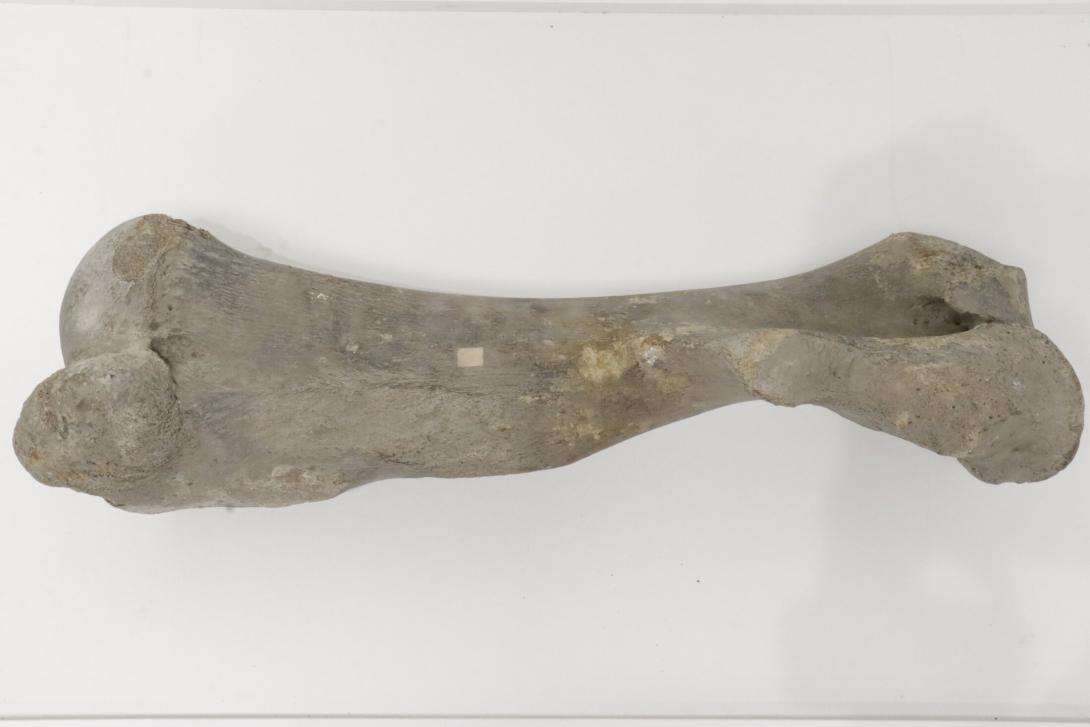
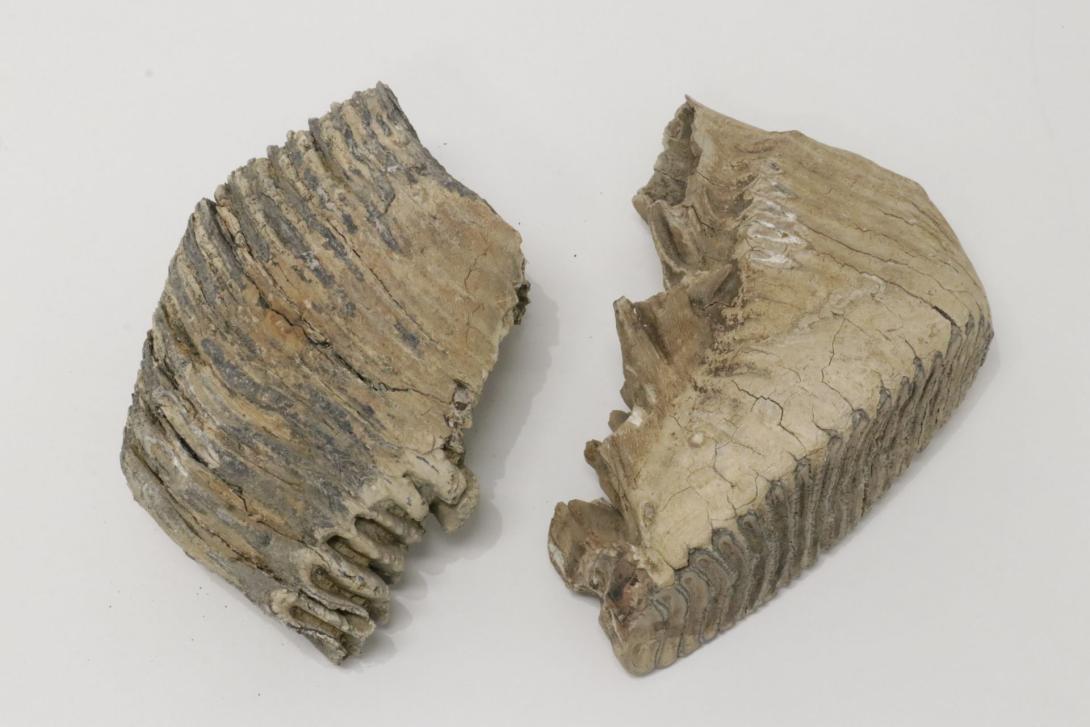
The earliest periods are represented by palaeontological finds from the sediments of the Zagyva and Tarna rivers. Mammoth remains and other Ice Age bones and fossils help reconstruct the region’s environment and fauna tens of thousands of years ago.
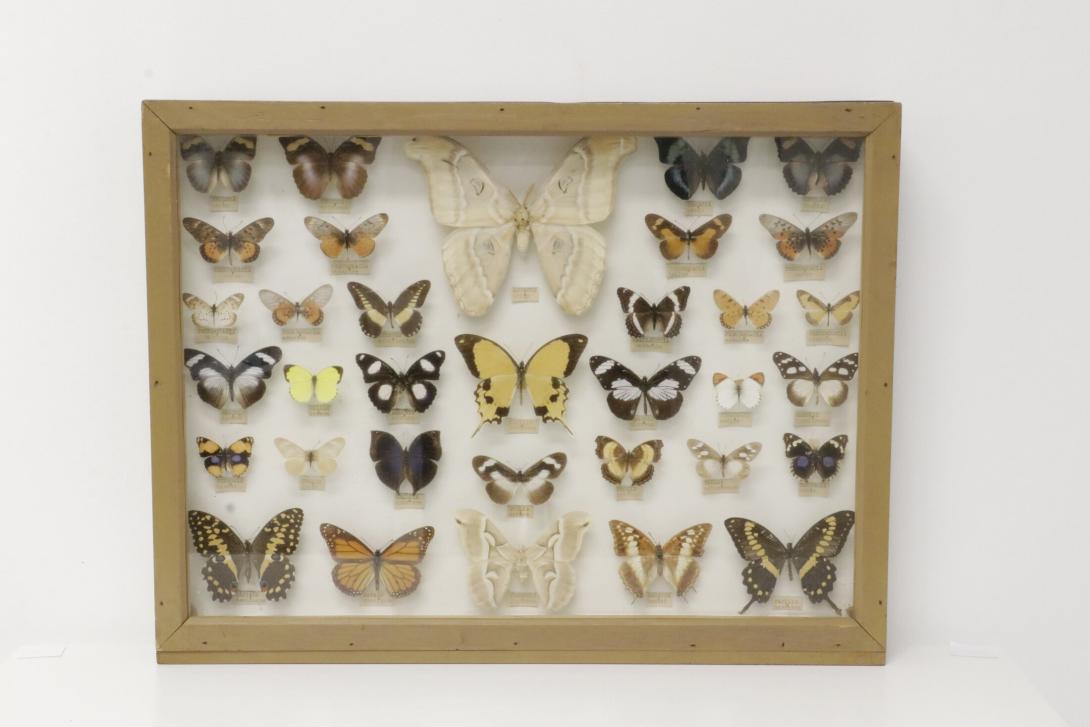
A key highlight is Ferenc Buschmann’s butterfly collection of more than 40,000 specimens, documenting the insect fauna of the Jászság and the Mátra and Bükk Mountains and providing a broad overview of 20th-century Lepidoptera. Because butterflies and moths are sensitive indicators of environmental change, the material is valuable for conservation and environmental history. Buschmann’s botanical collection records regional plant life and supports the interpretation of local habitats.
Overall, the collection offers an interpretive view of the landscape’s natural heritage from prehistoric life to the recent past, and supports public education and environmental awareness.